A legendary diving spot
In 1877, geographer Giovanni Marinelli famously described this site as a 'portion of liquid sky'. Nestled at the foot of the Cansiglio plateau, the Sorgente del Gorgazzo is not just a spring—it is one of Europe's deepest and most technically demanding underwater caves. Its waters are a kaleidoscope of lapis lazuli, emerald, and turquoise, maintaining a constant, bracing temperature of 10.8°C (51°F) that keeps its clarity pristine even at depth.
In 1877, geographer Giovanni Marinelli famously described this site as a 'portion of liquid sky'. Nestled at the foot of the Cansiglio plateau, the Sorgente del Gorgazzo is not just a spring—it is one of Europe's deepest and most technically demanding underwater caves. Its waters are a kaleidoscope of lapis lazuli, emerald, and turquoise, maintaining a constant, bracing temperature of 10.8°C (51°F) that keeps its clarity pristine even at depth.
In a rare opening, we were granted entry to document the current state of the cave. This wasn't an pursuit of exploration, but a quiet observation of one of Italy’s most protected underwater monuments.
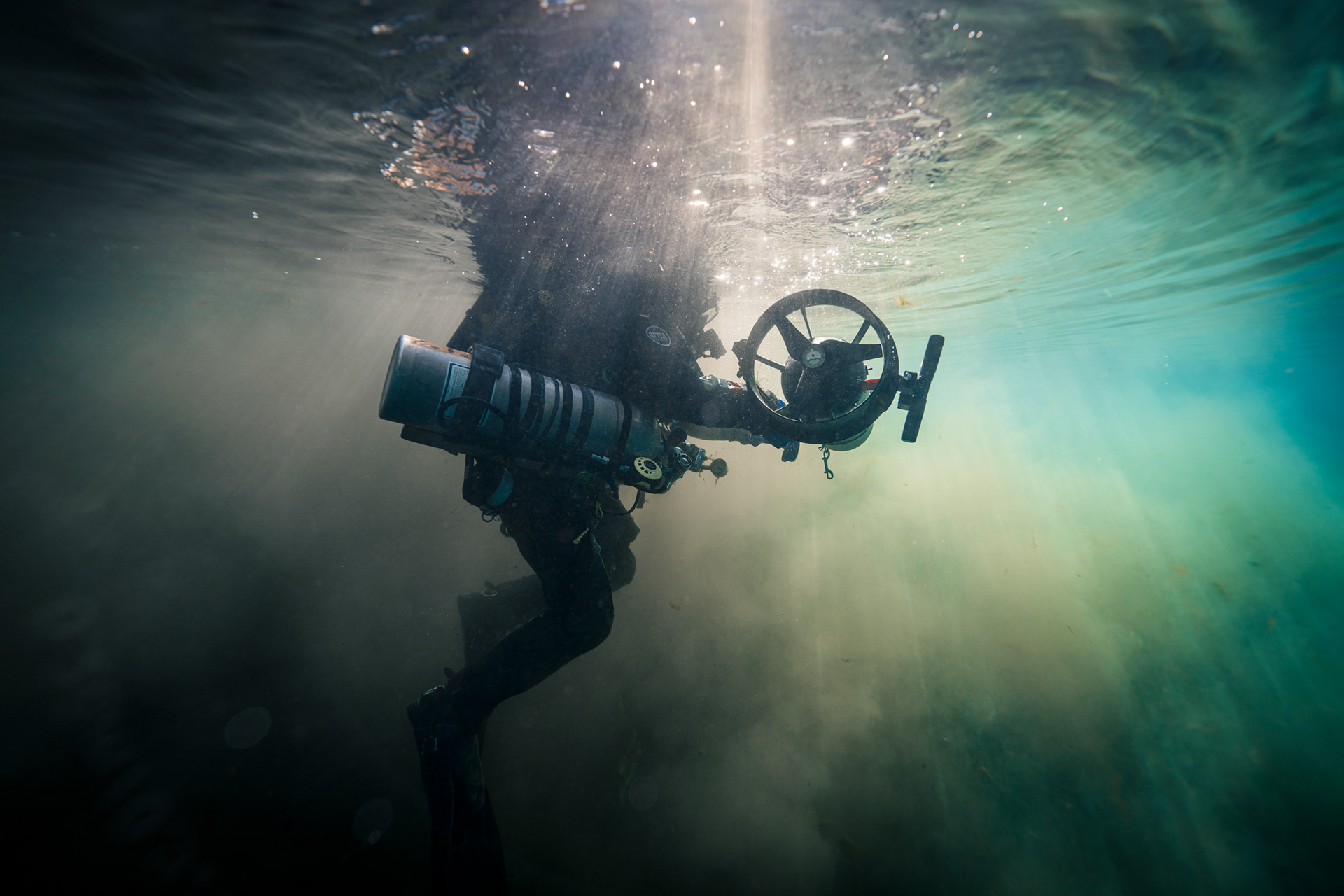
The ritual of preparation at the water’s edge is amplified by the weight of the site’s history. Every piece of equipment, from the DPVs to the redundant lighting, was checked with the meticulousness required for a mission-specific dive. We were there as observers, ensuring the cave's permanent safety lines remained as steadfast as the rock they are anchored to.
Descending through the first few meters, the familiar silhouette of the submerged Christ statue appears. It serves as both a landmark and a reminder. In the crystal-clear 10°C water, the statue remains a silent witness to the generations of divers who have sought to understand the depths below it.
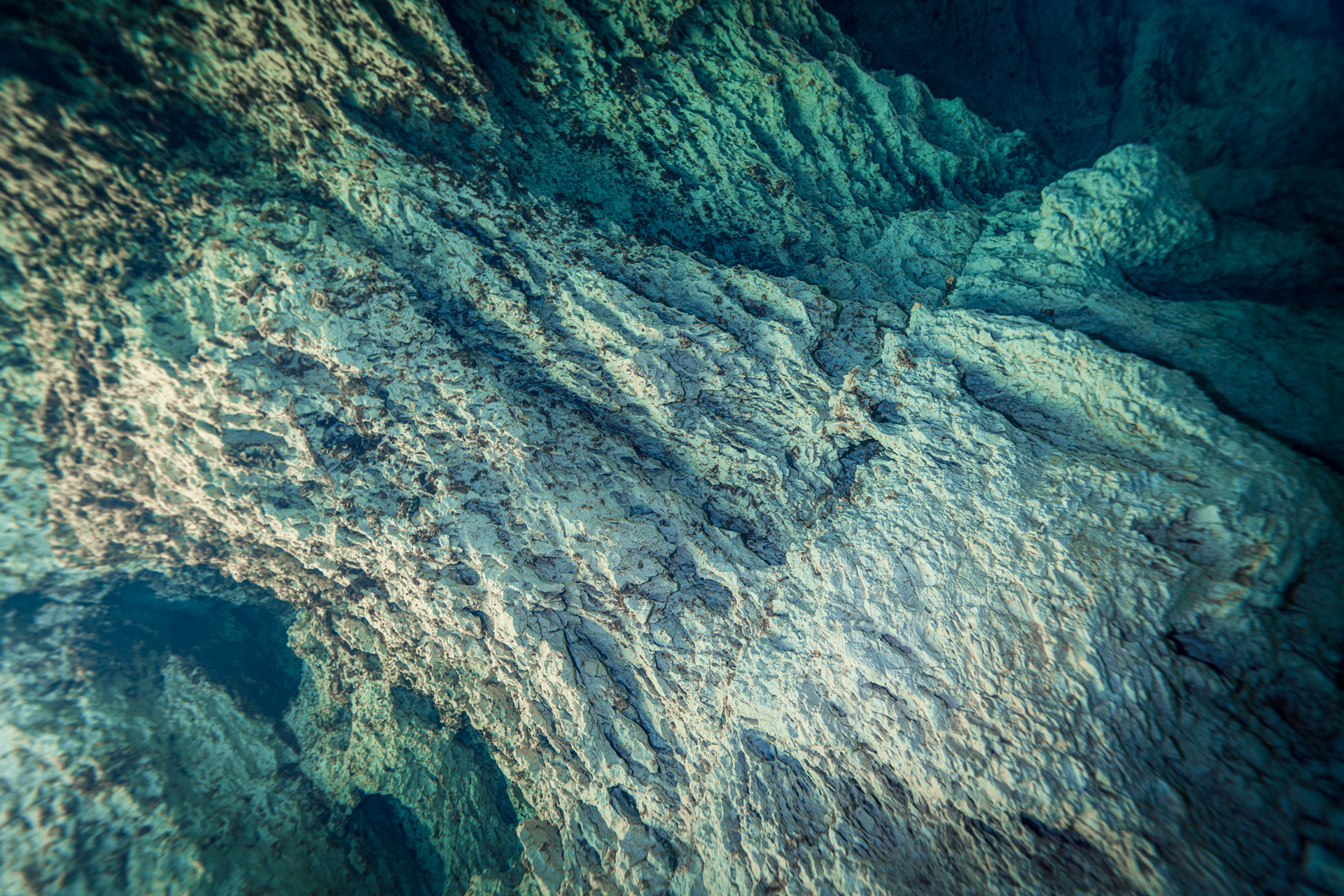
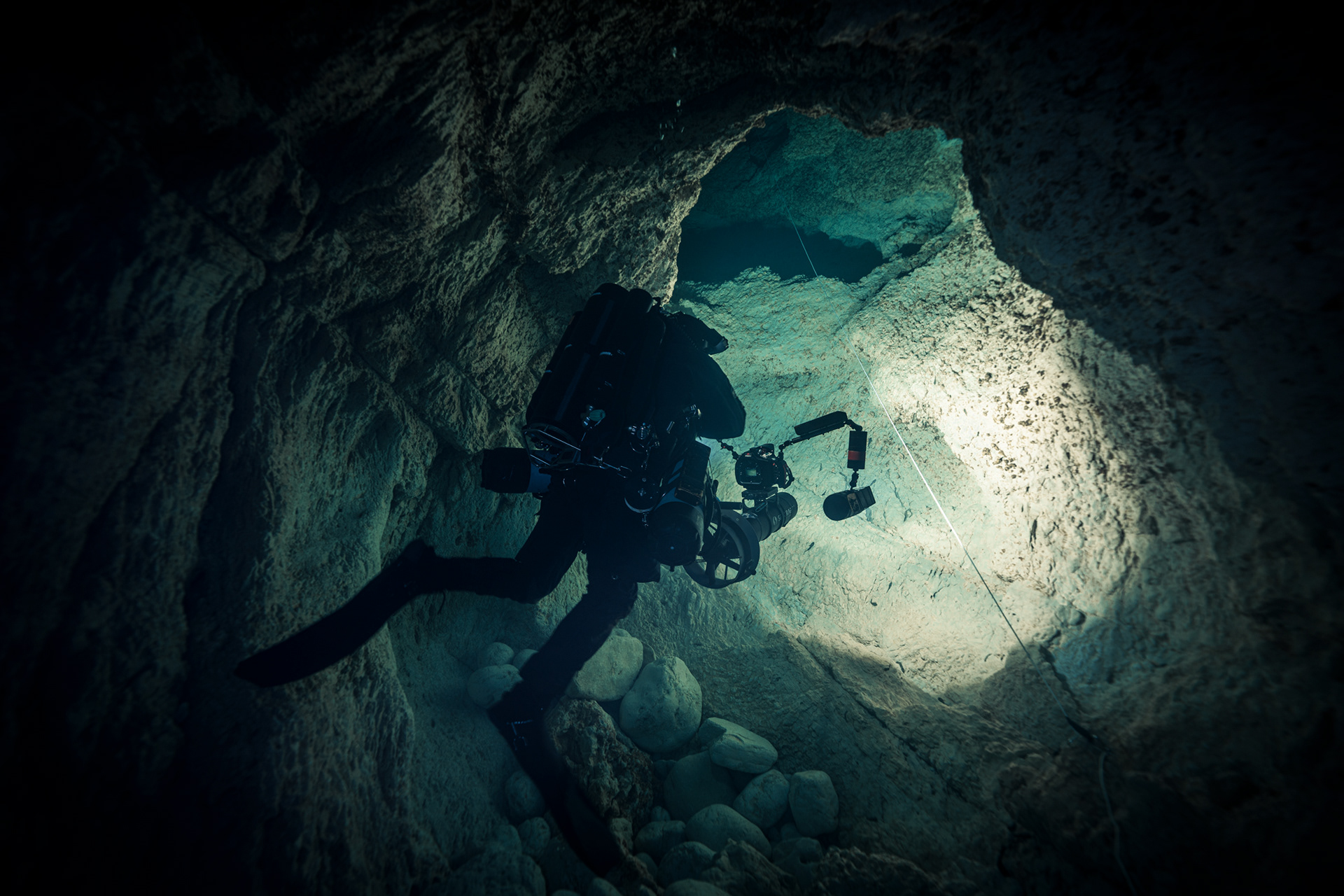
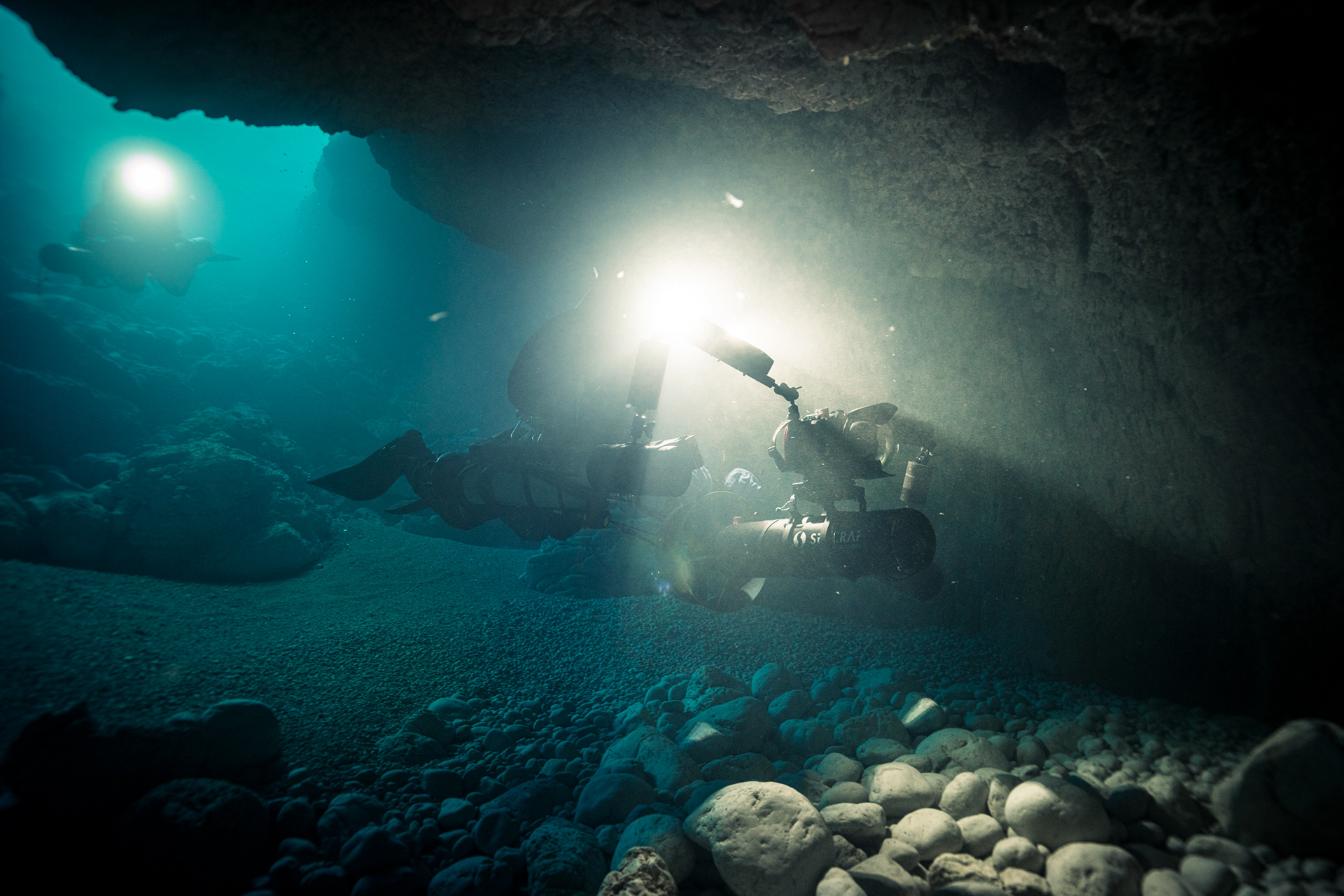
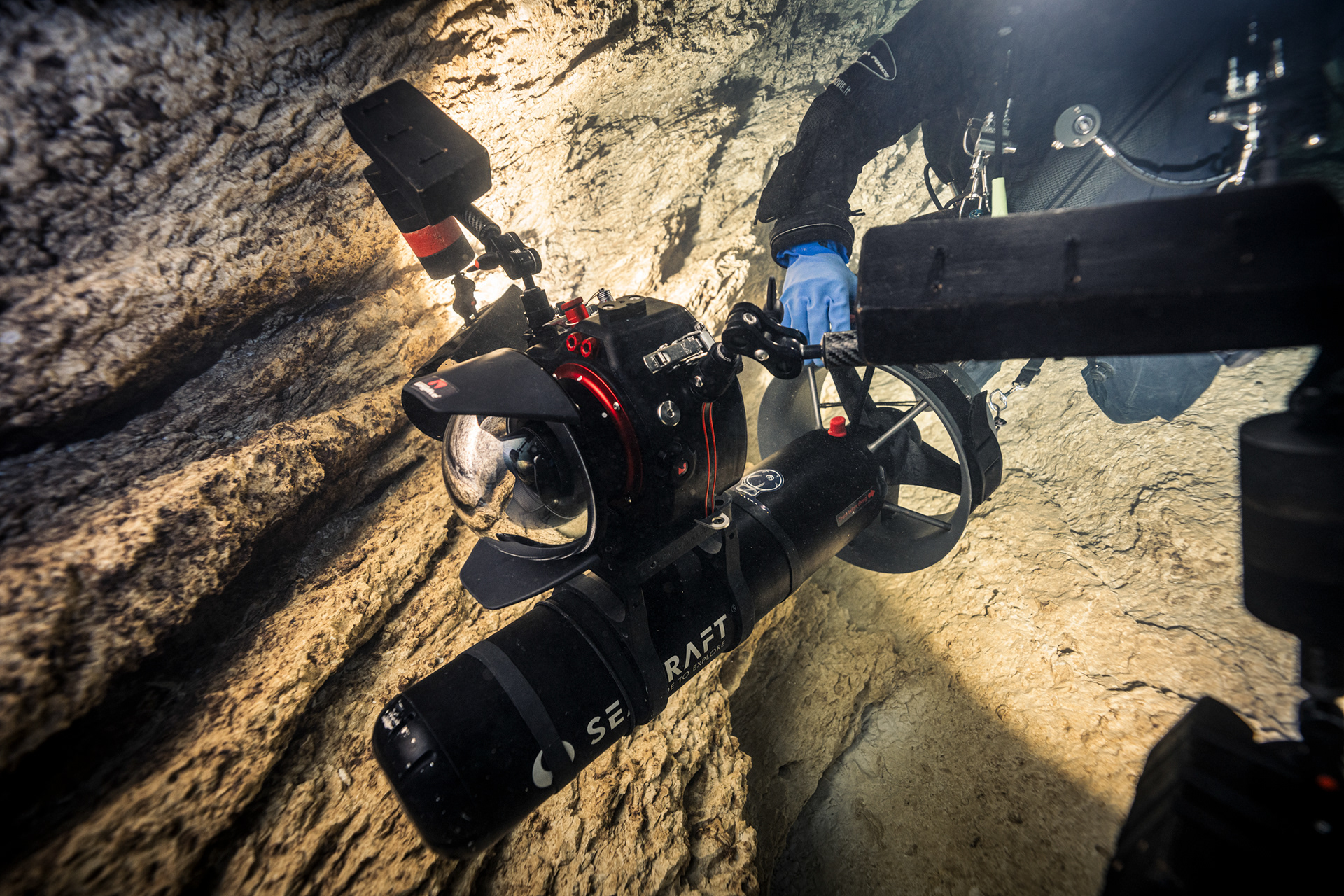
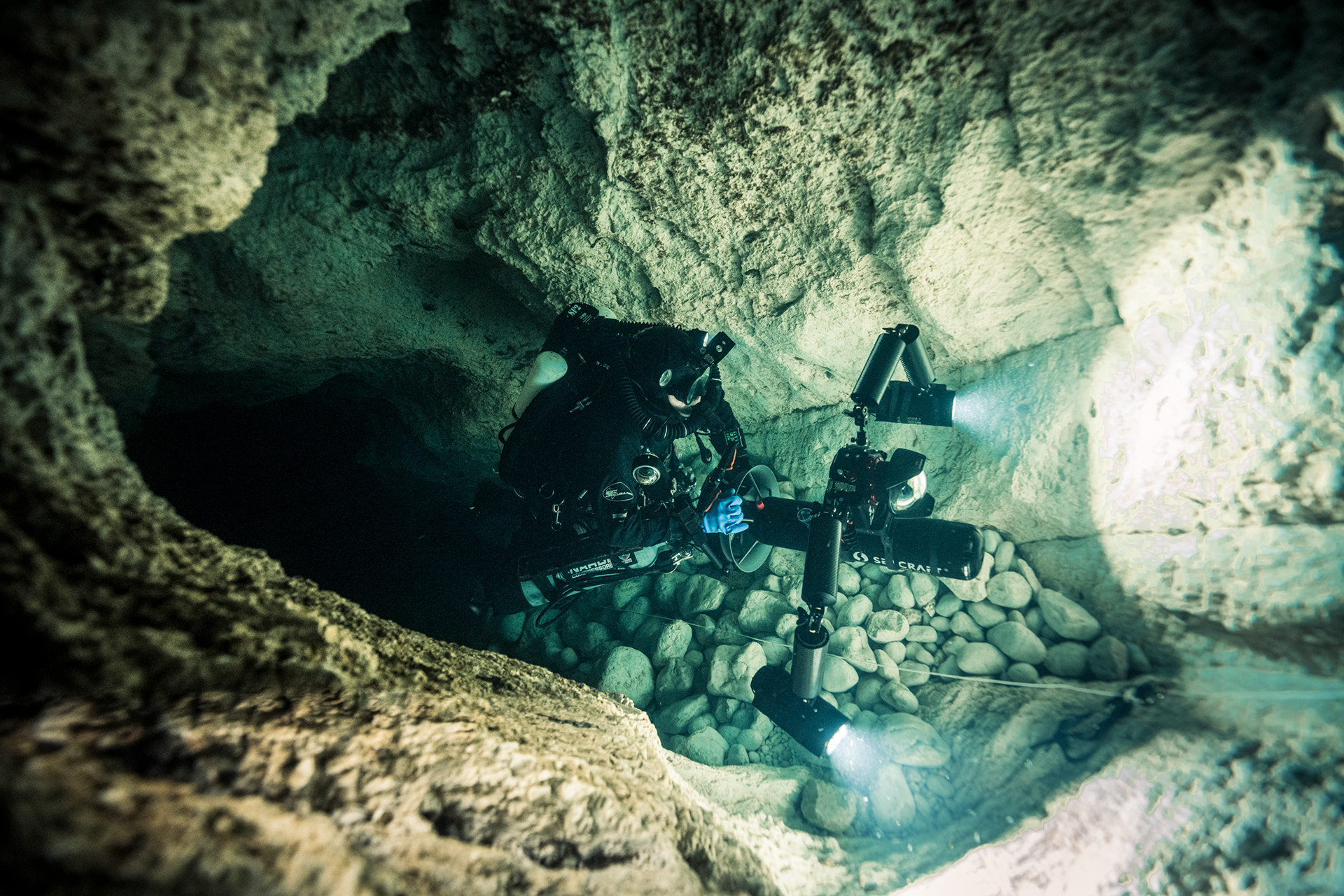
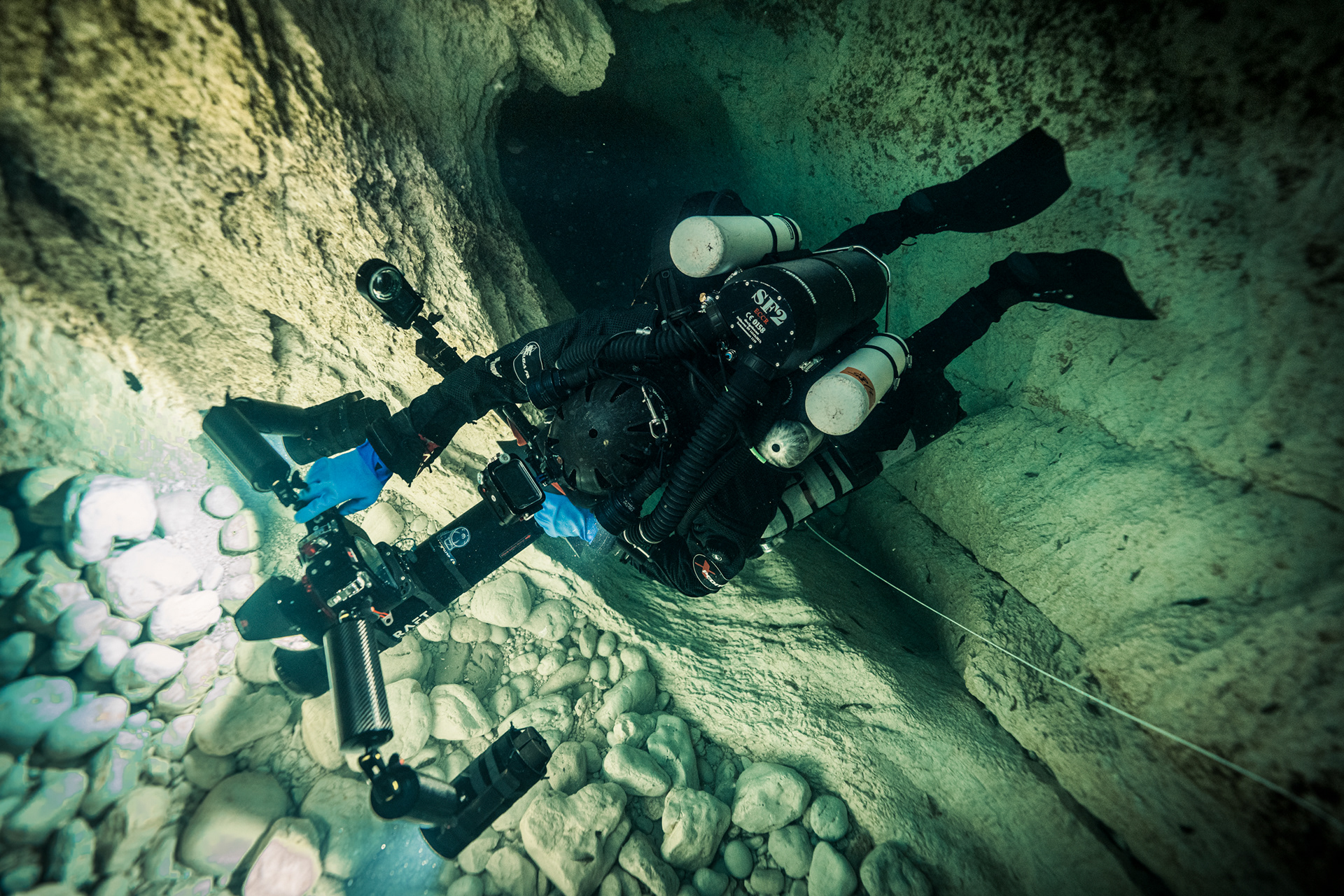
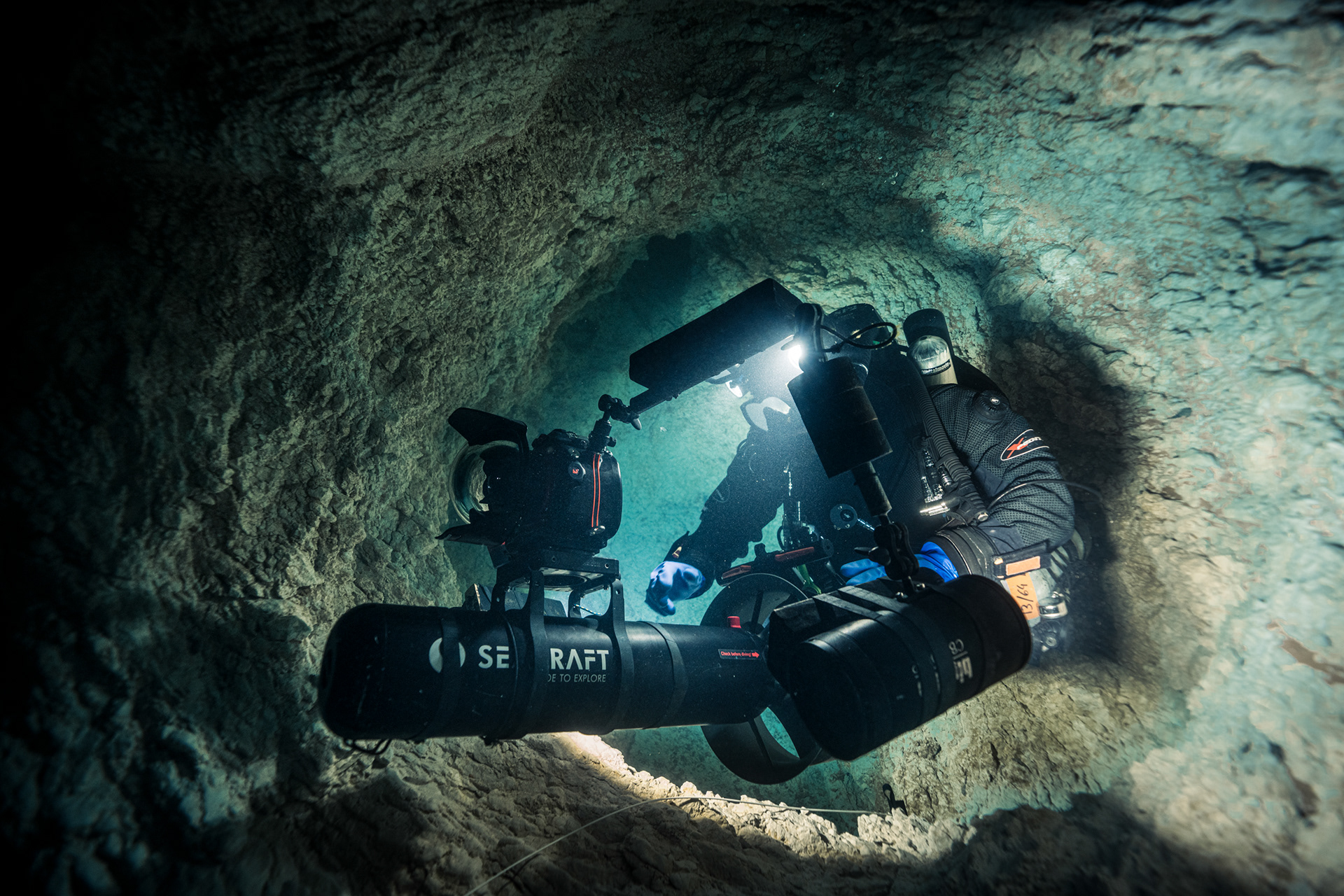
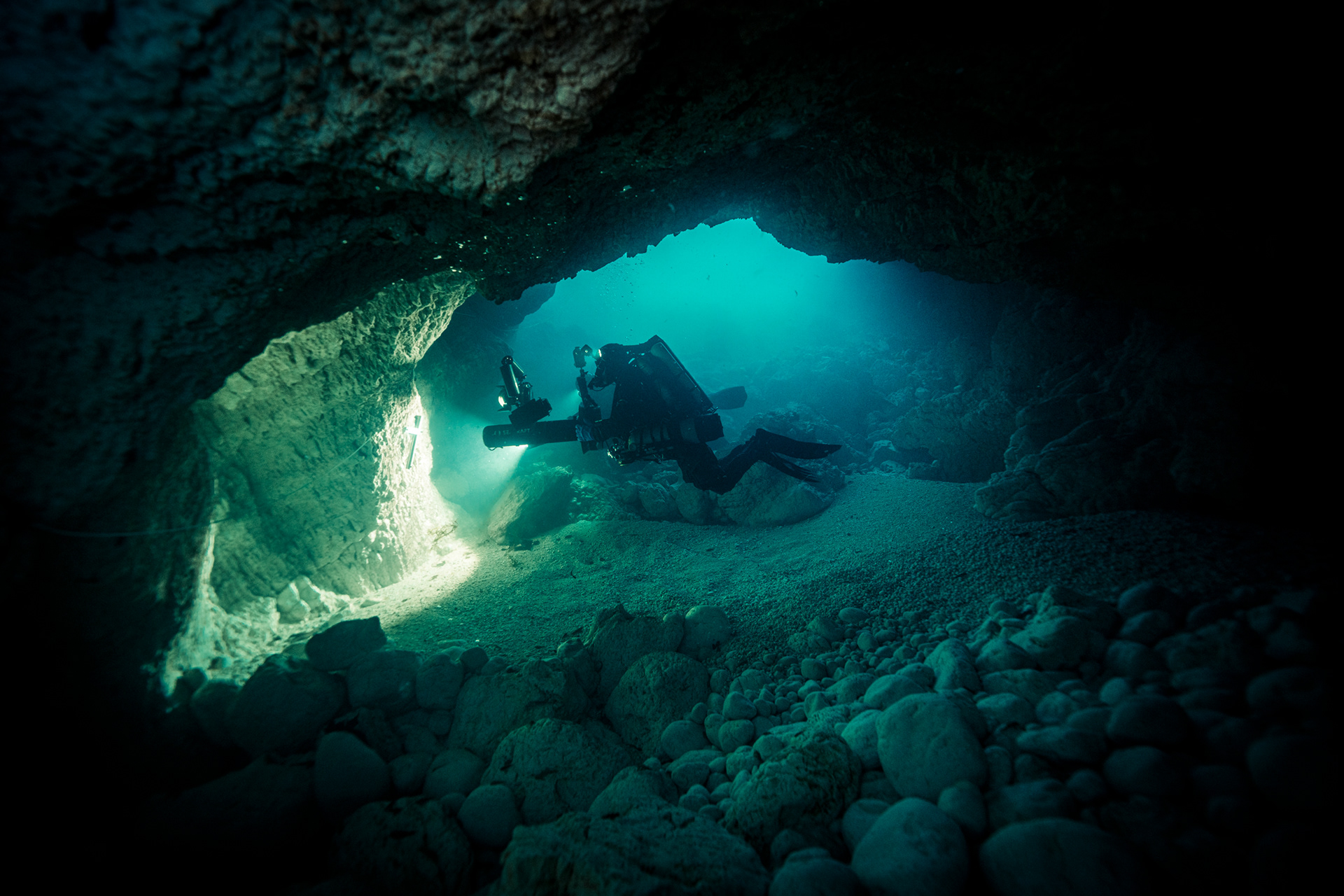
Gorgazzo is a living system. Even in periods of low rain, the spring’s 'breath' is palpable. Carrying high-end camera rigs through the surge would be a grueling task if not for the precision of our DPVs. They allowed us to navigate the flow with the stability needed to frame the limestone architecture without disturbing the pristine clarity.
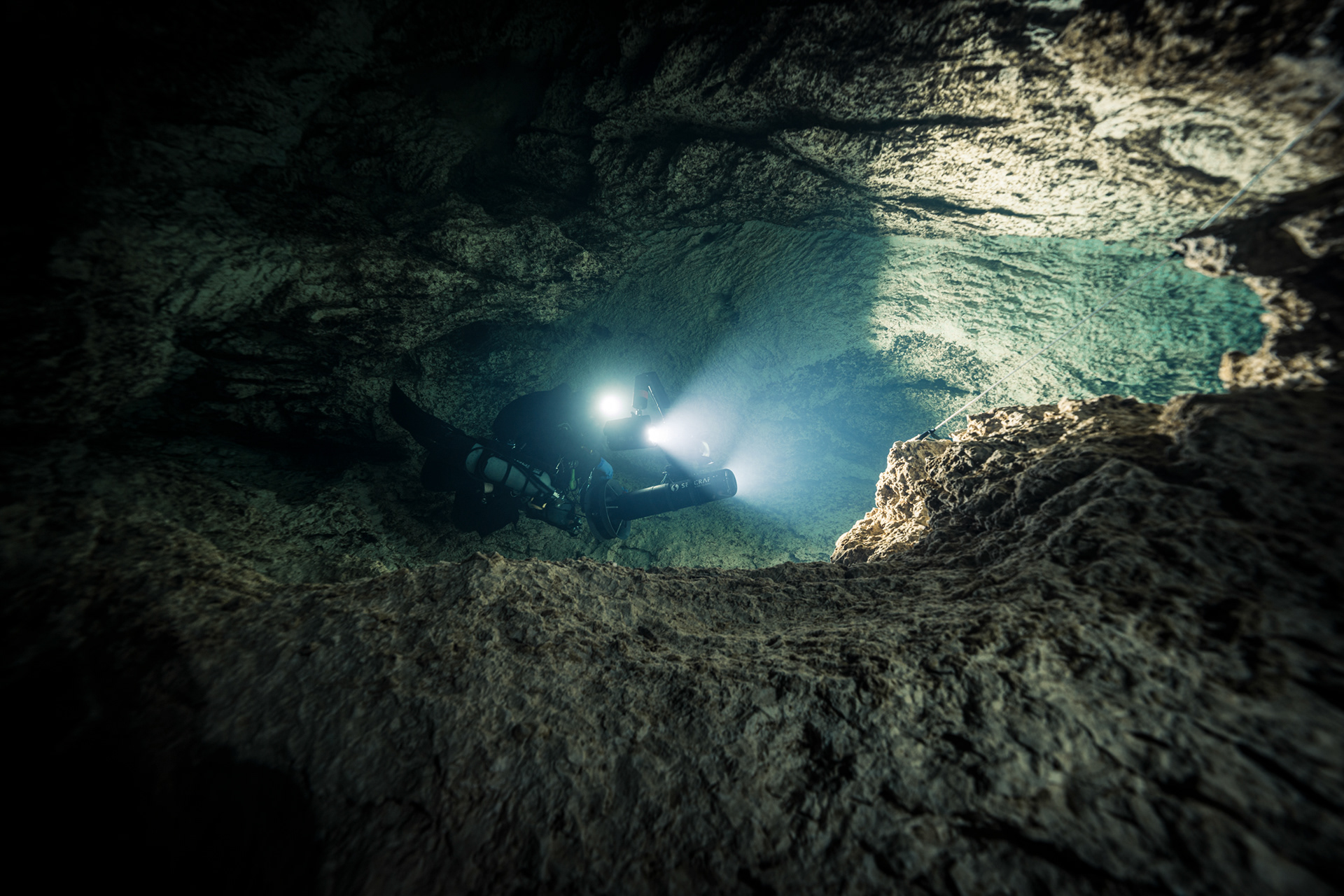
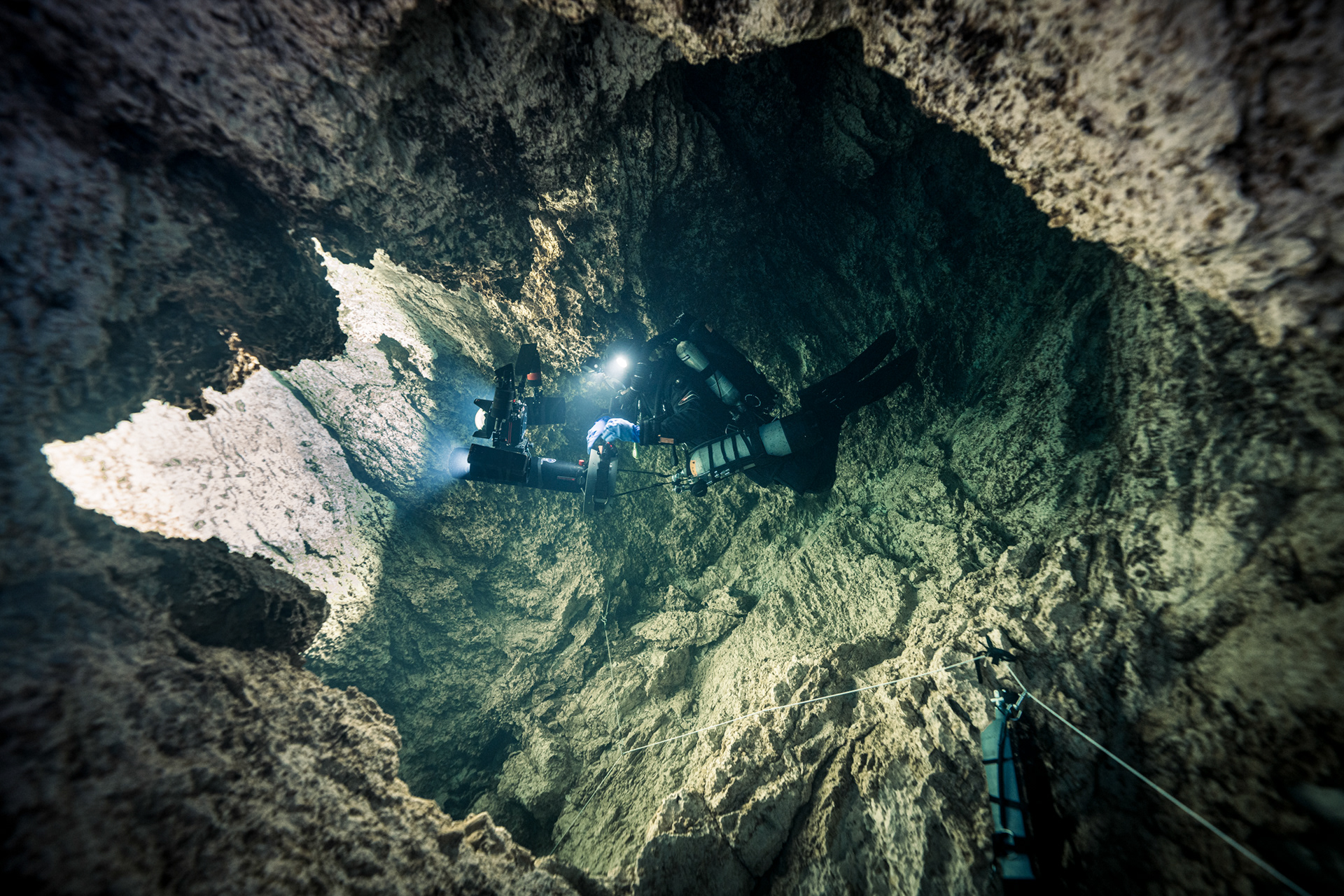
For many, the Gorgazzo is a series of data points and depth records. For my brother, a long-time contributor to the cave’s community, it is a personal history. Despite his speaking at last conference, he lacked a visual record of his own presence within these walls. This dive was a chance to bridge that gap.
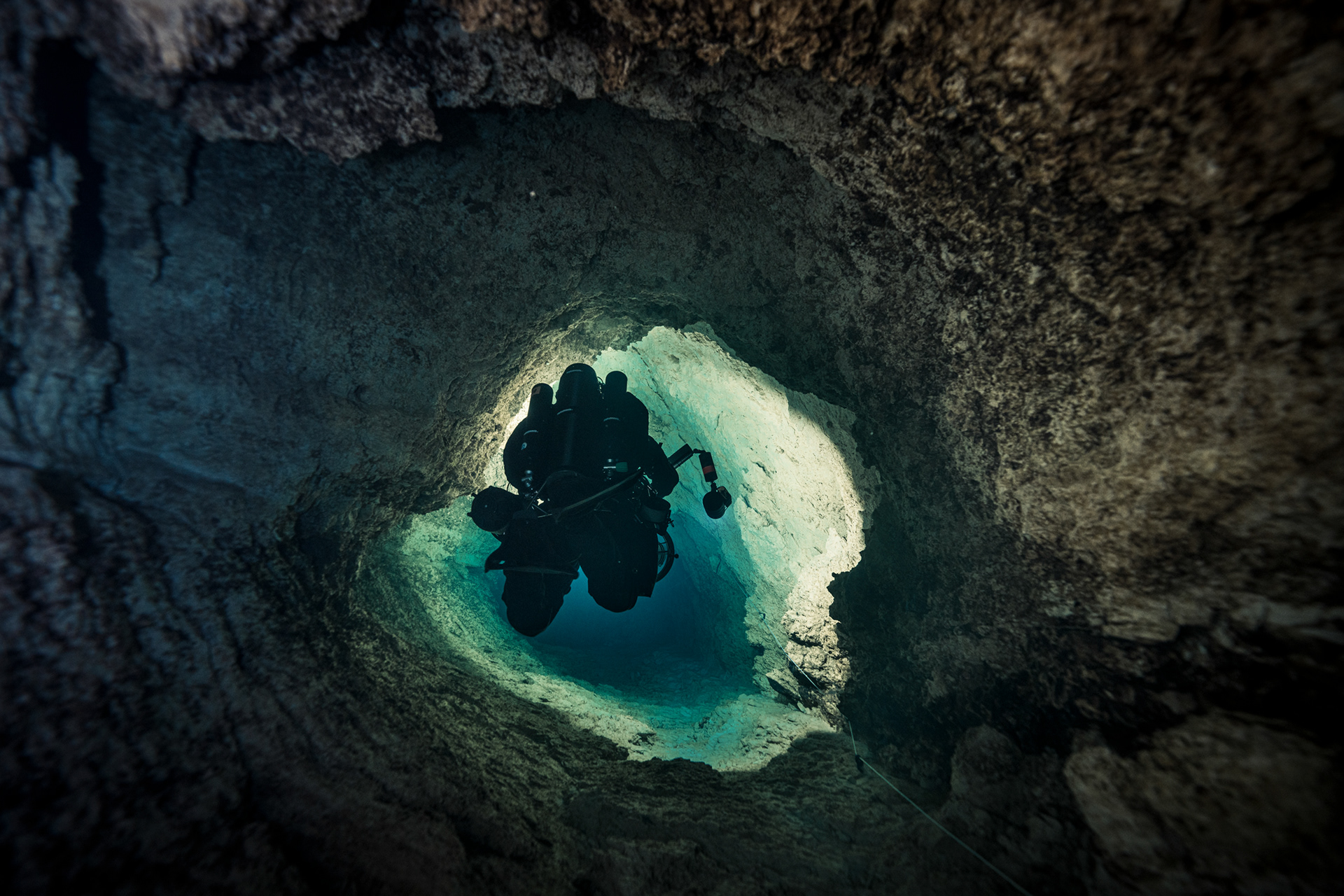
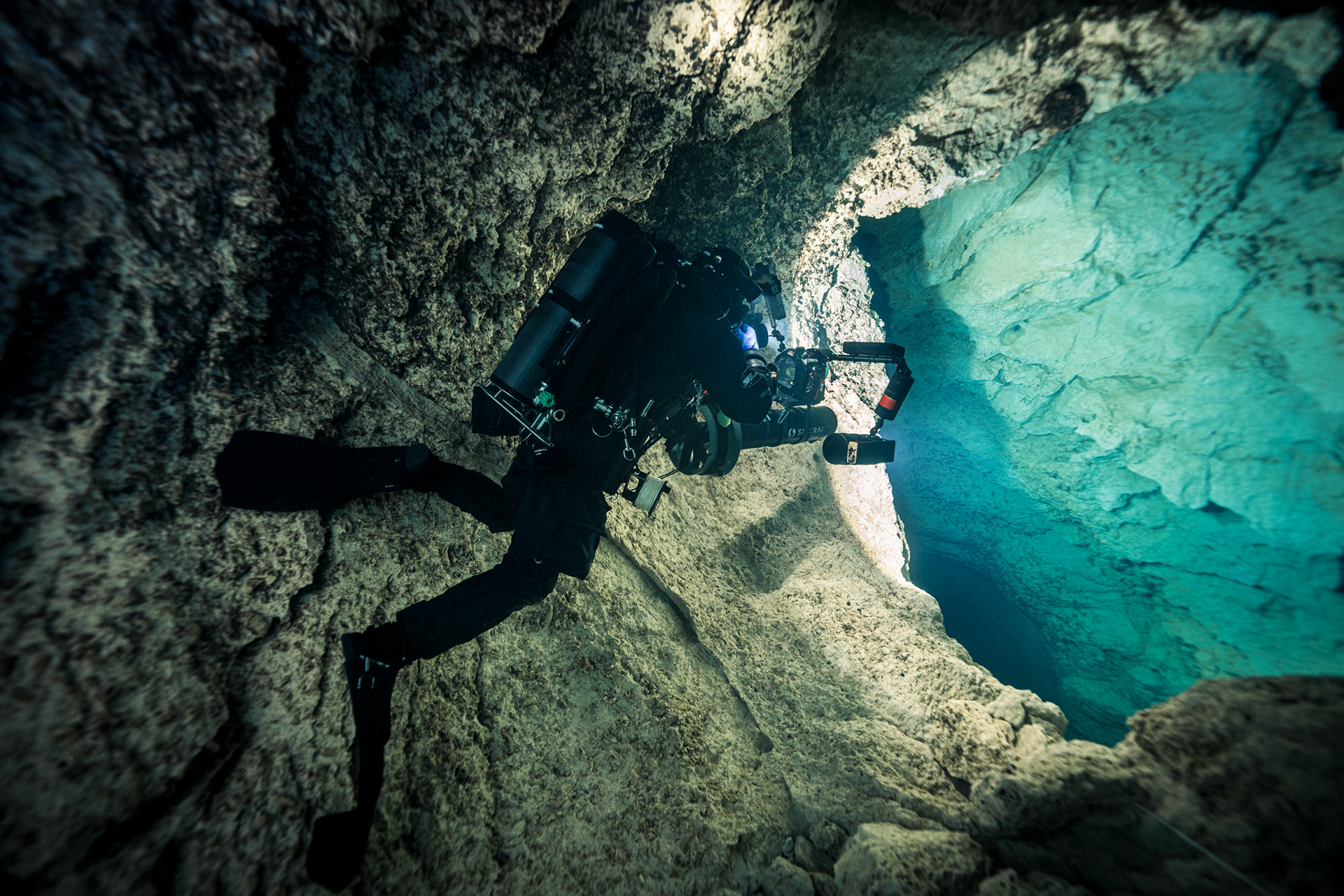
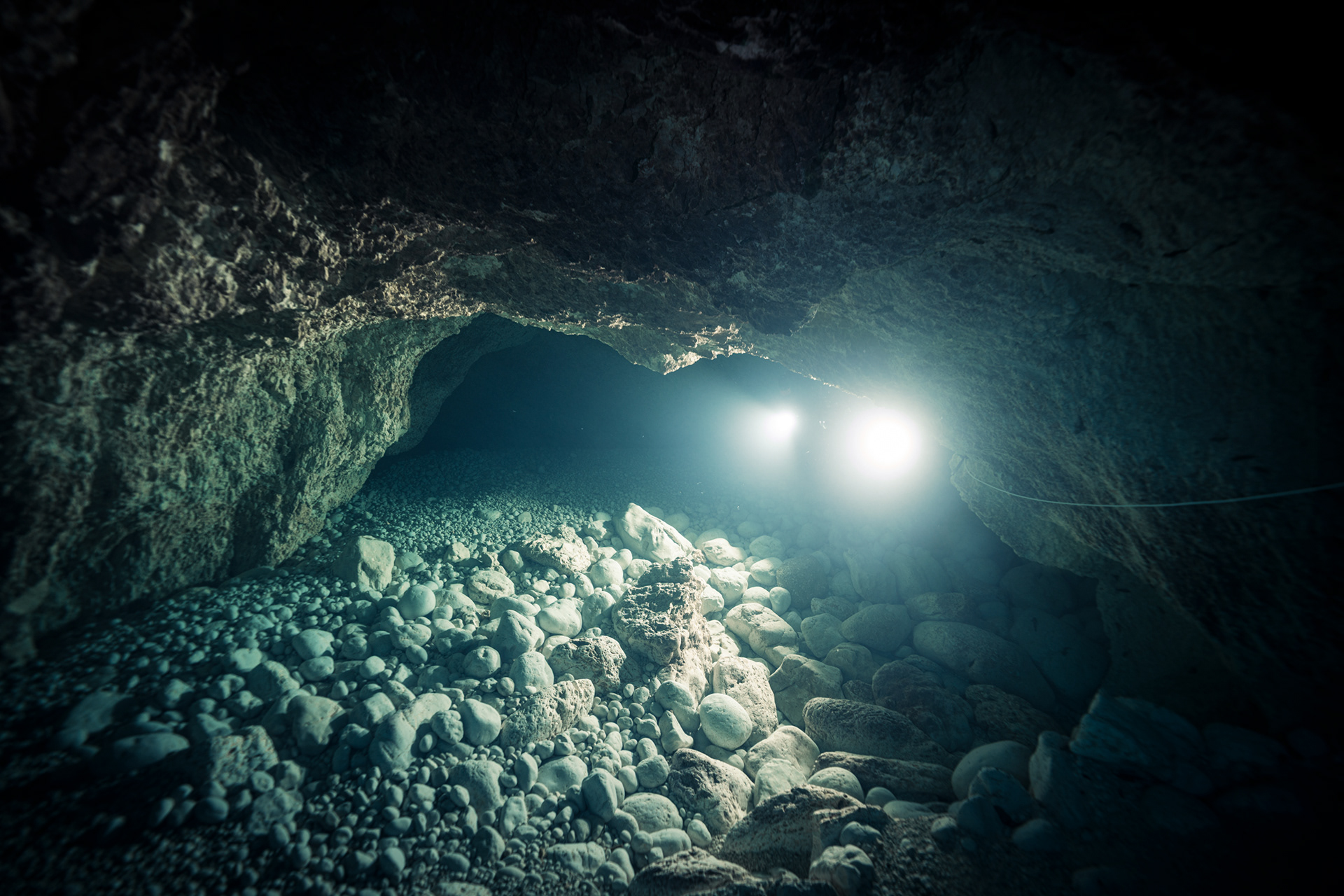
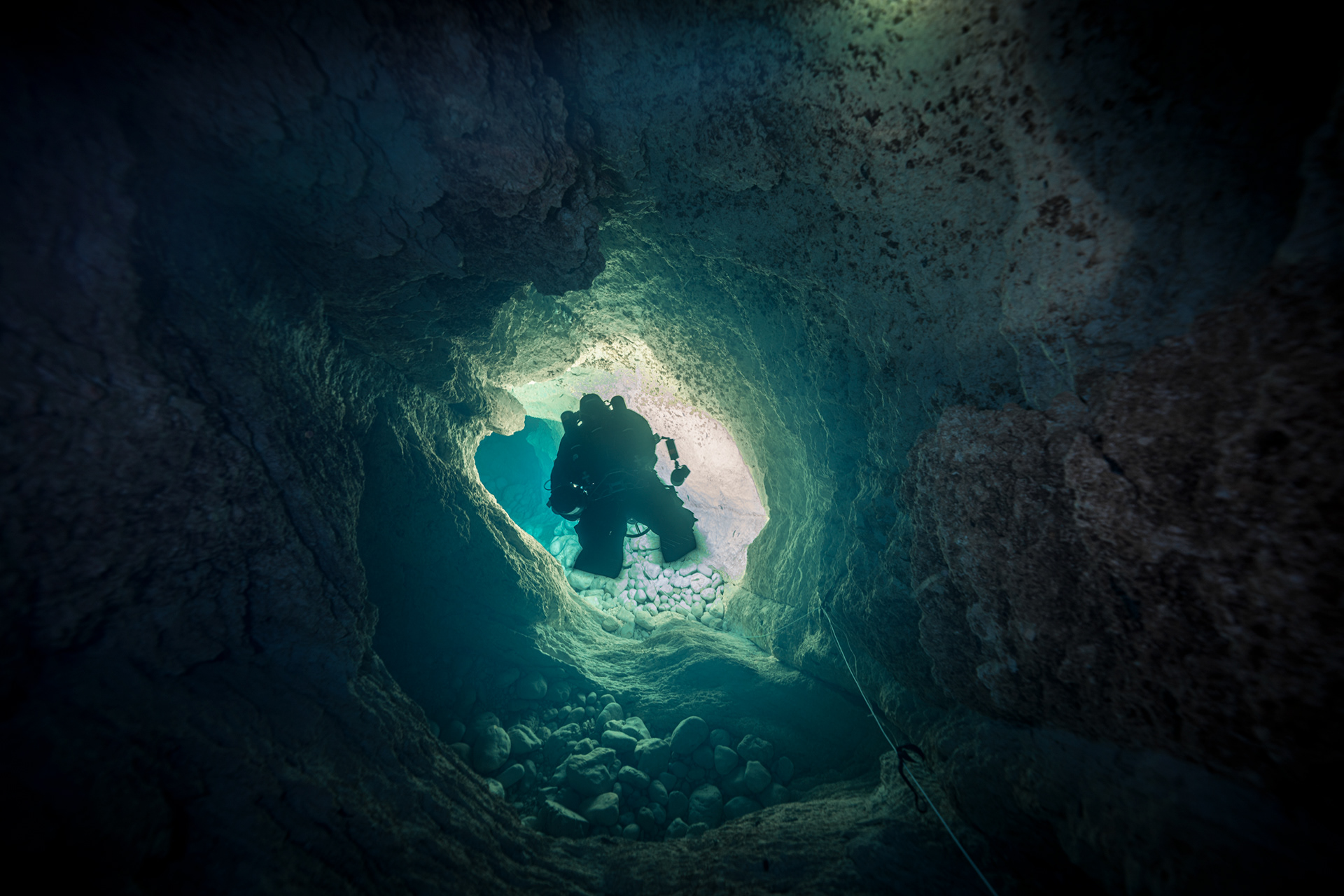
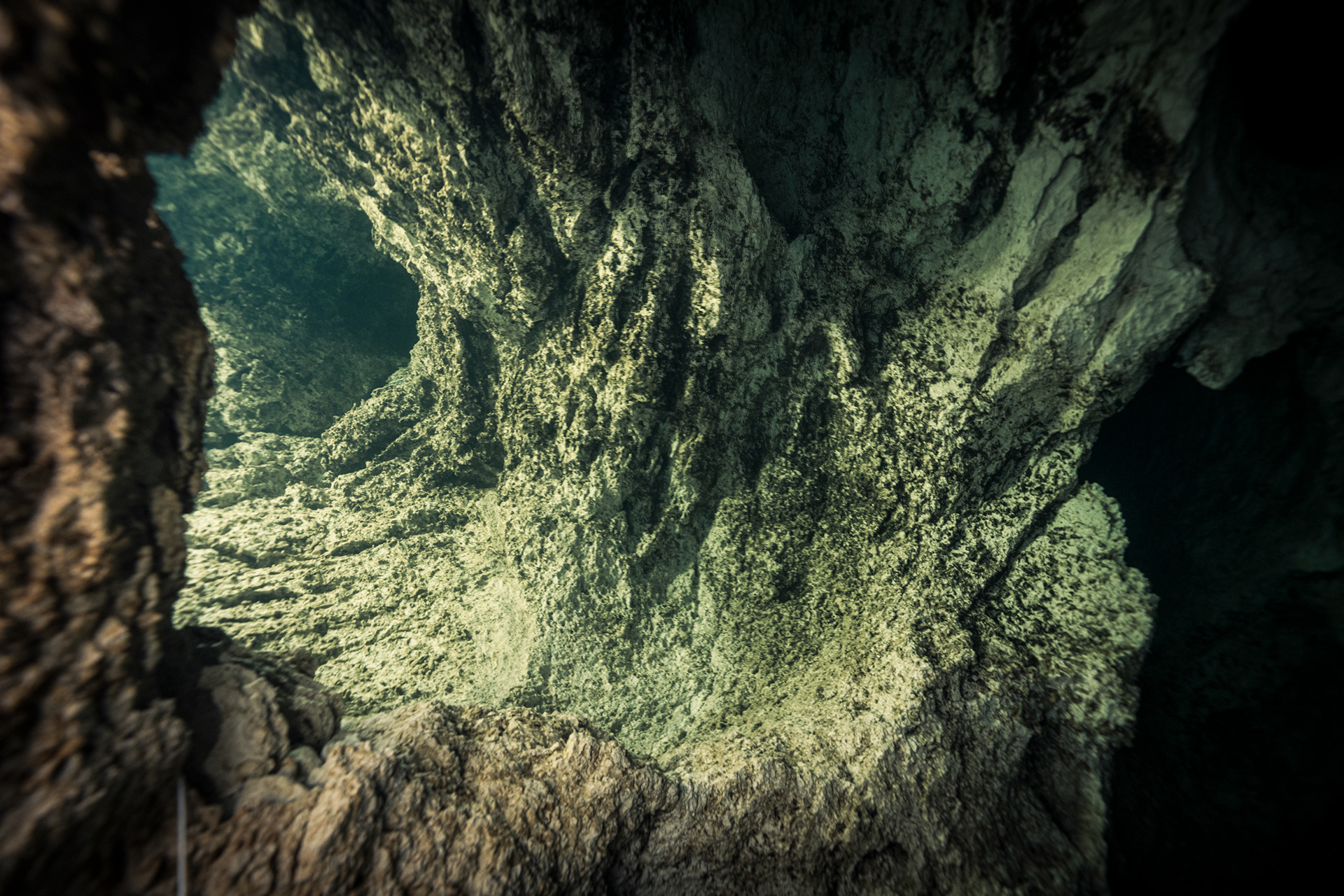
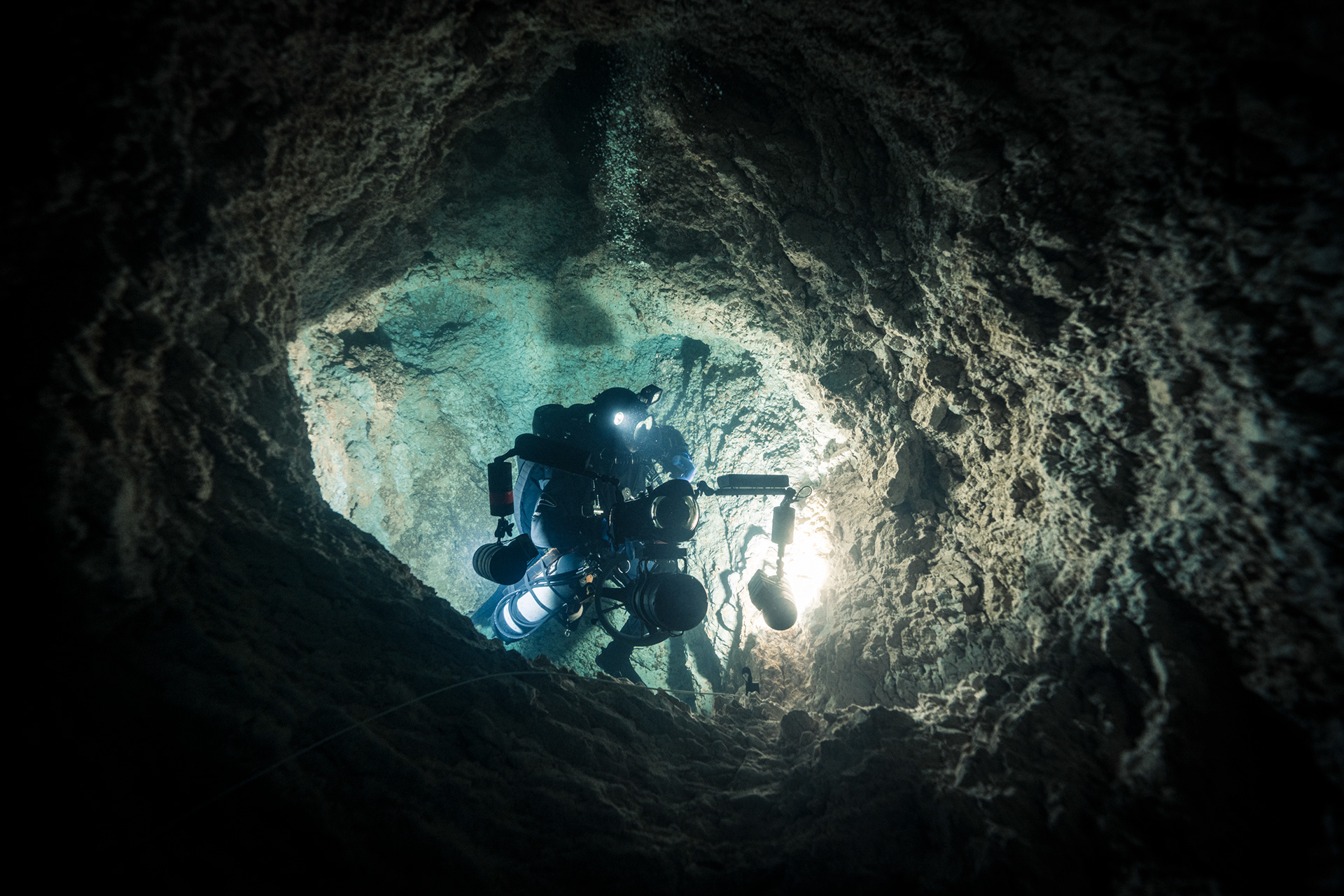
The white karst walls, sculpted by millennia of high-pressure water, create a cathedral-like atmosphere. Here, the 'Vauclusian' nature of the spring is most evident, as the horizontal passage gives way to the daunting verticality of the main shaft.
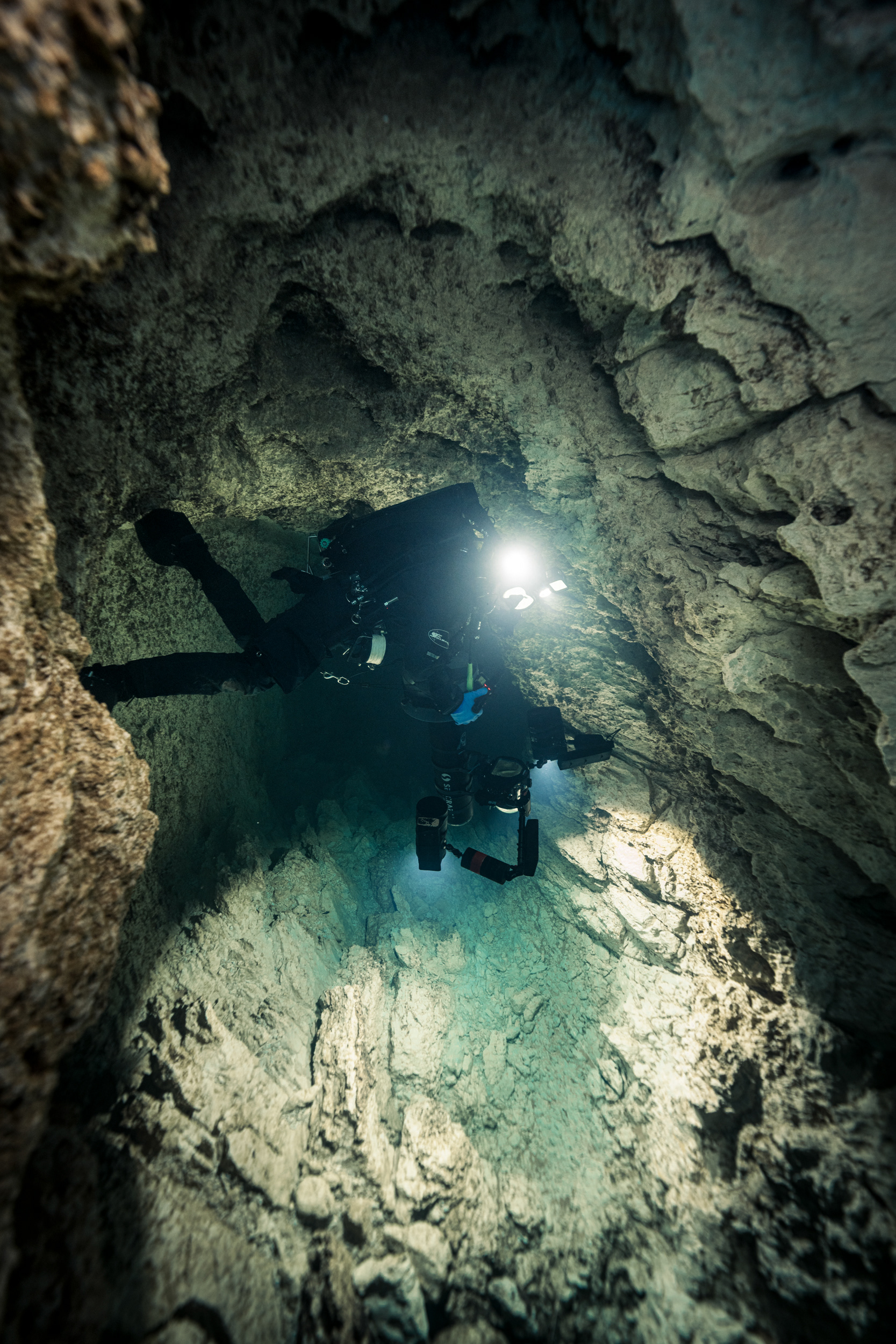
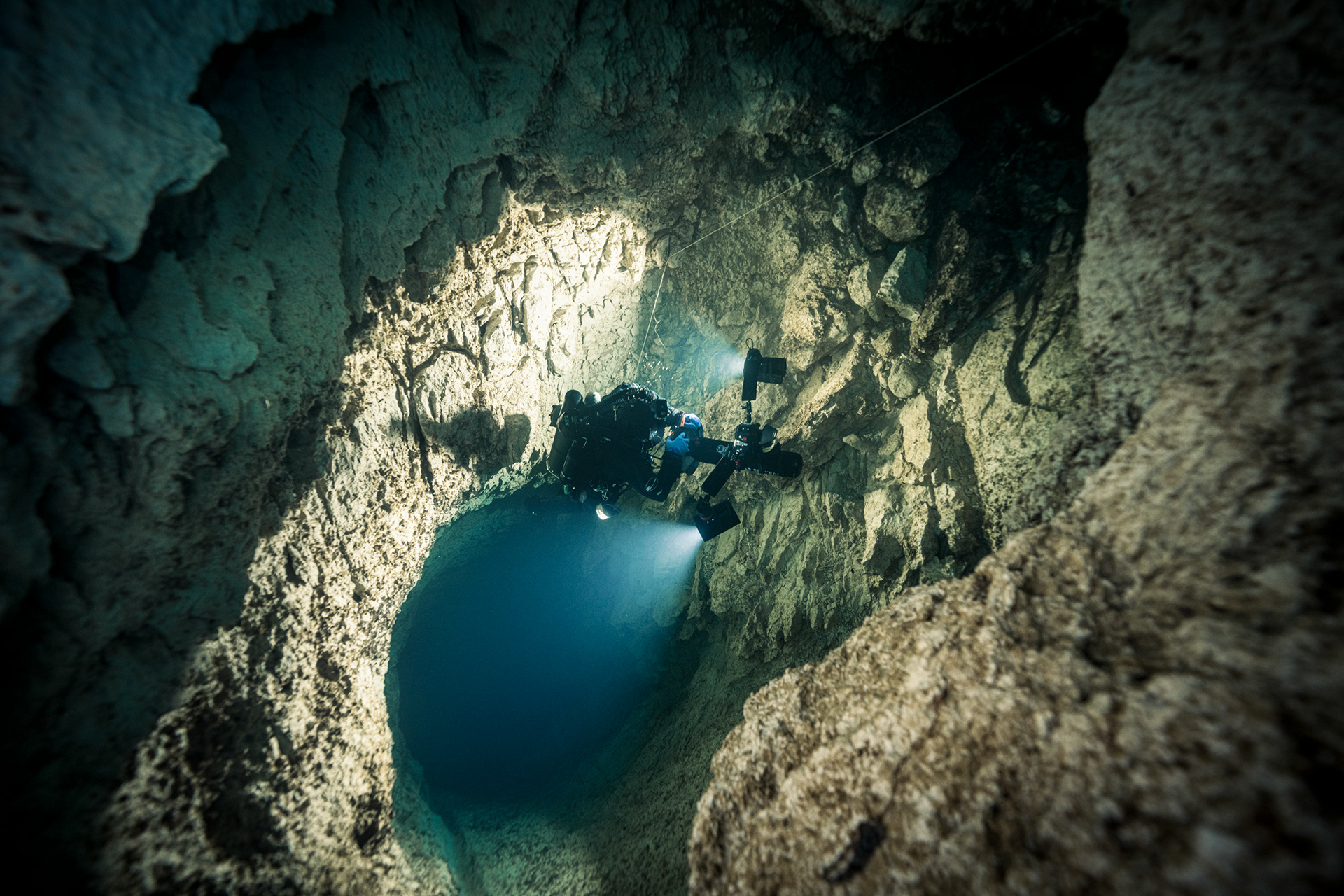
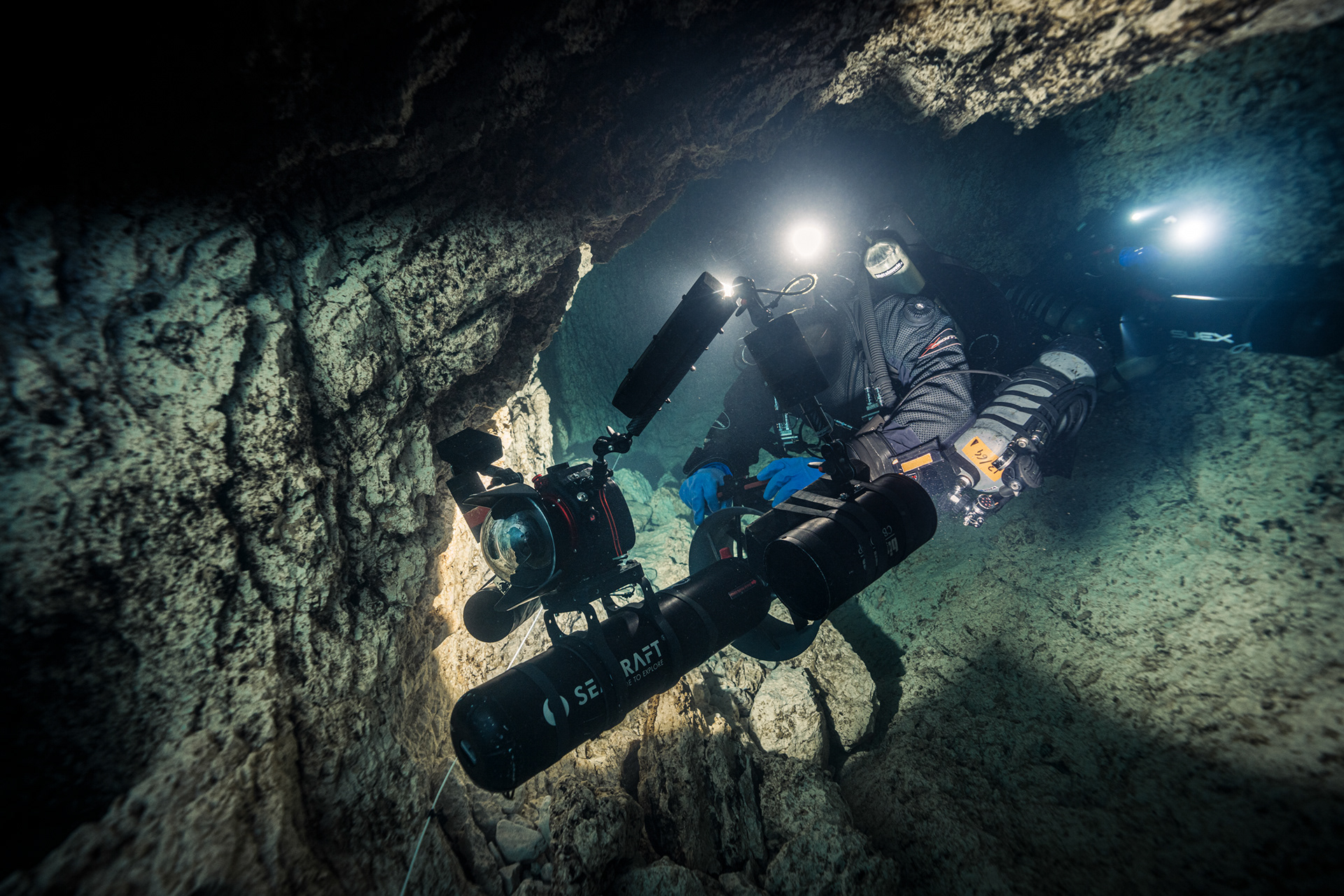
As Andrea entered the vertical well to scout for the next series of frames, the play of light became the primary subject. In this environment, the photographer becomes a choreographer of shadows. We worked within the limits of our 70-minute window, balancing the need for technical safety with the pursuit of the perfect still.
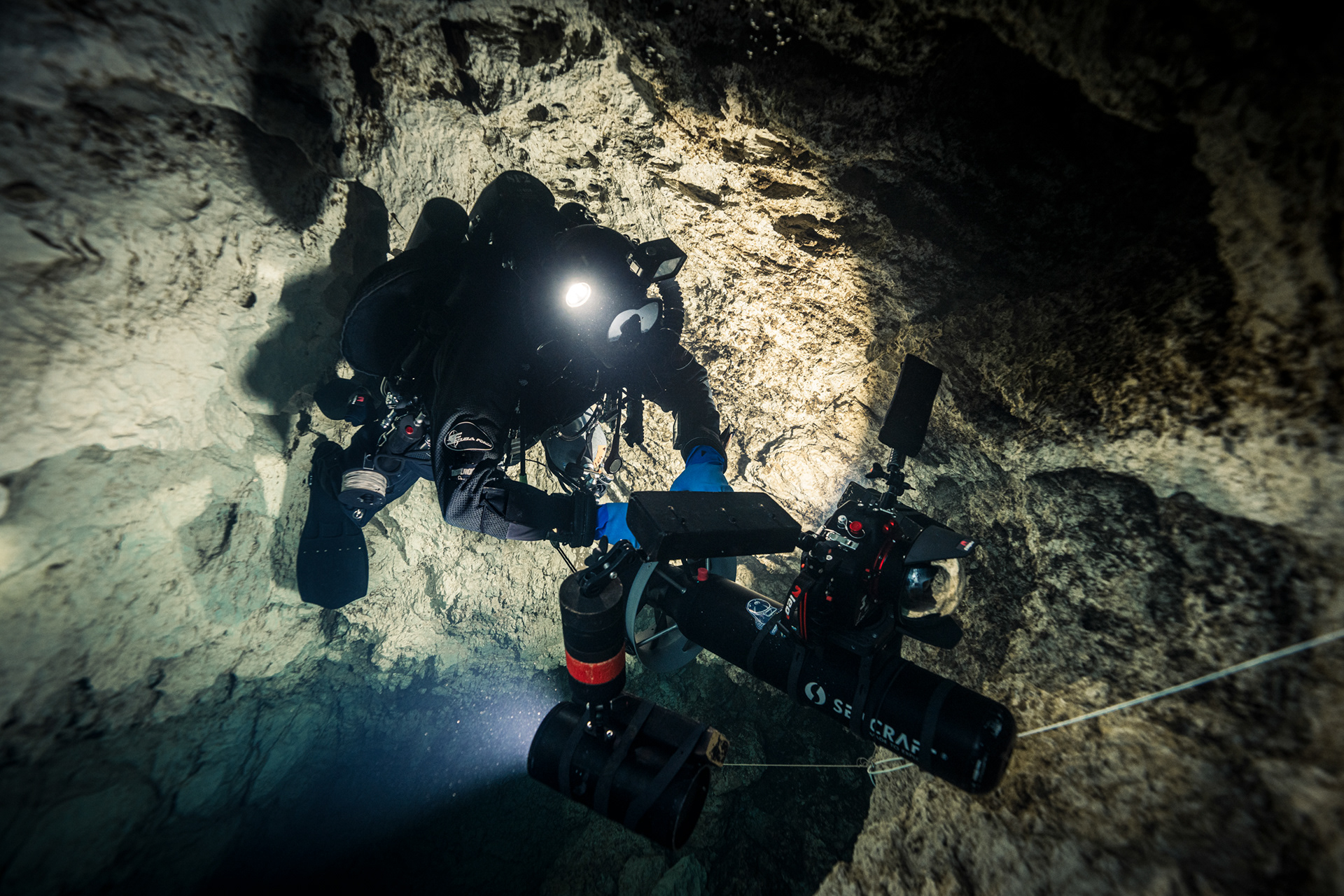
While the Gorgazzo is famous for extreme deep-diving records, our mission was different. It was an 'ordinary' technical dive by modern standards—precise, controlled, and focused. There is a specific beauty in the routine of a well-executed plan, where the focus is on the integrity of the safety line rather than the lure of the abyss.
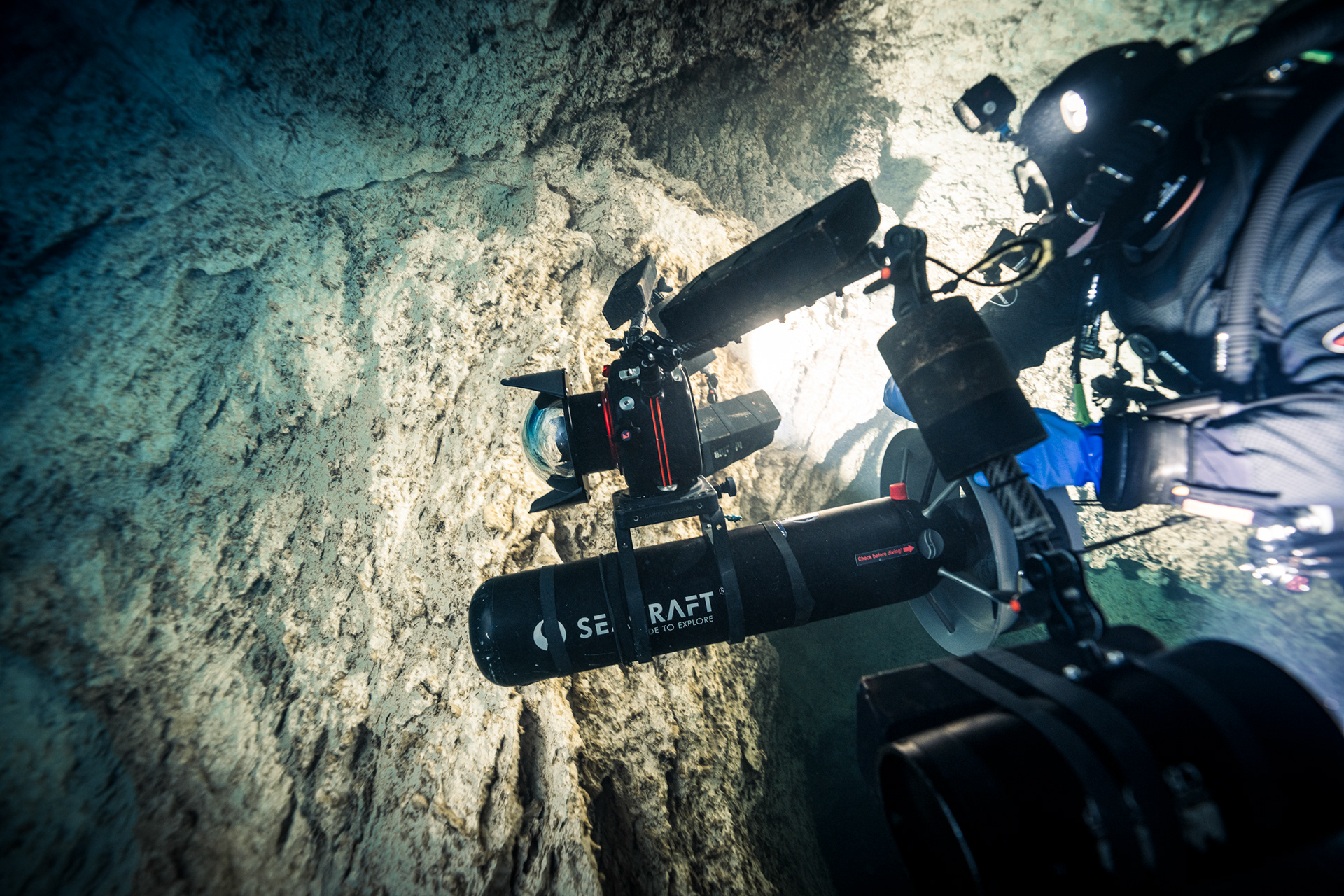
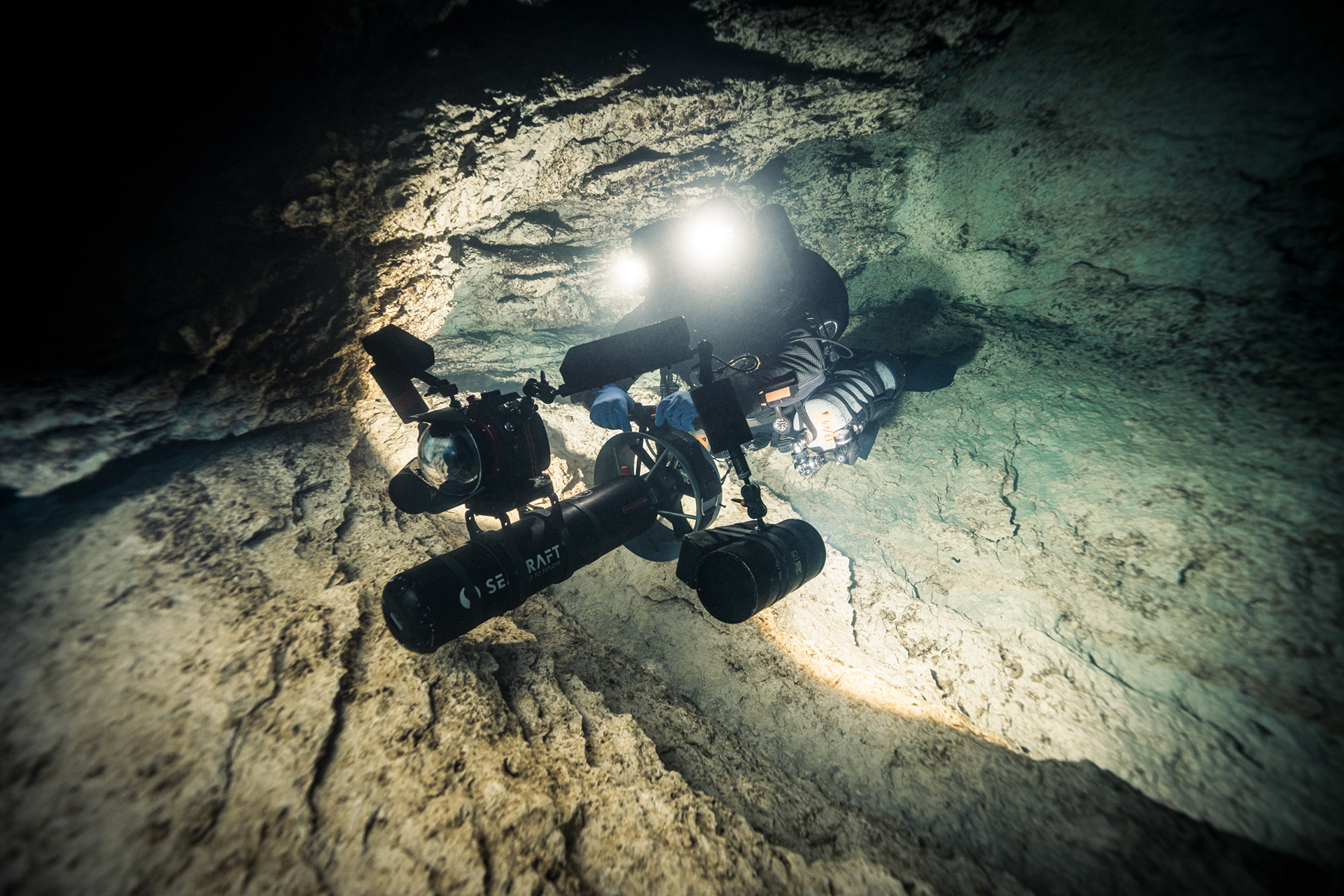
The constant temperature of 10°C acts as a preservative for the cave’s visibility. It keeps the water sharp, almost clinical in its transparency. Every detail of the rock face, every bolt on the permanent line, and every bubble was rendered in high-definition against the deep sapphire backdrop.
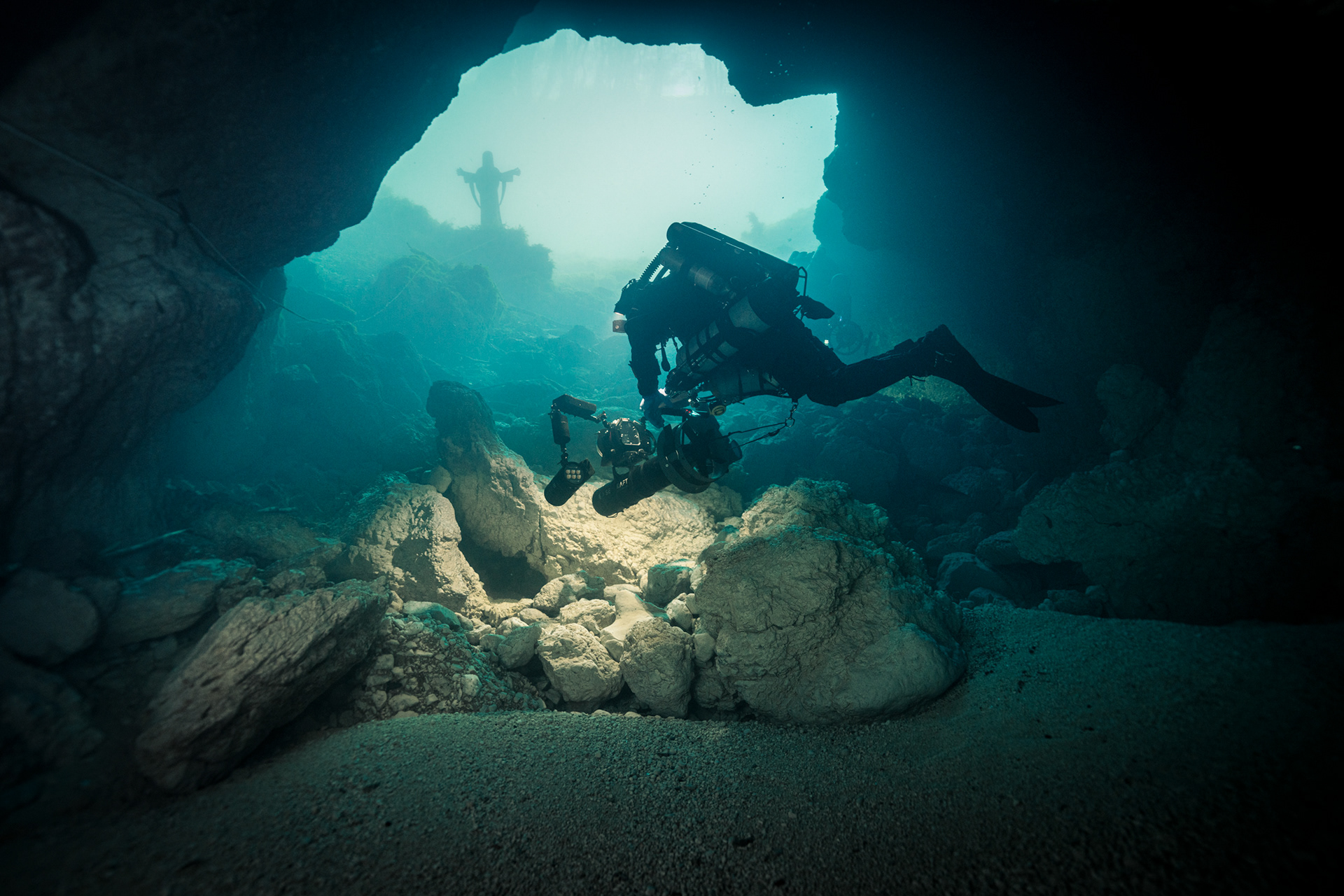
At a depth of 9 meters sits a statue of Christ, a beacon for divers entering the abyss and a landmark visible from the surface on clear days.
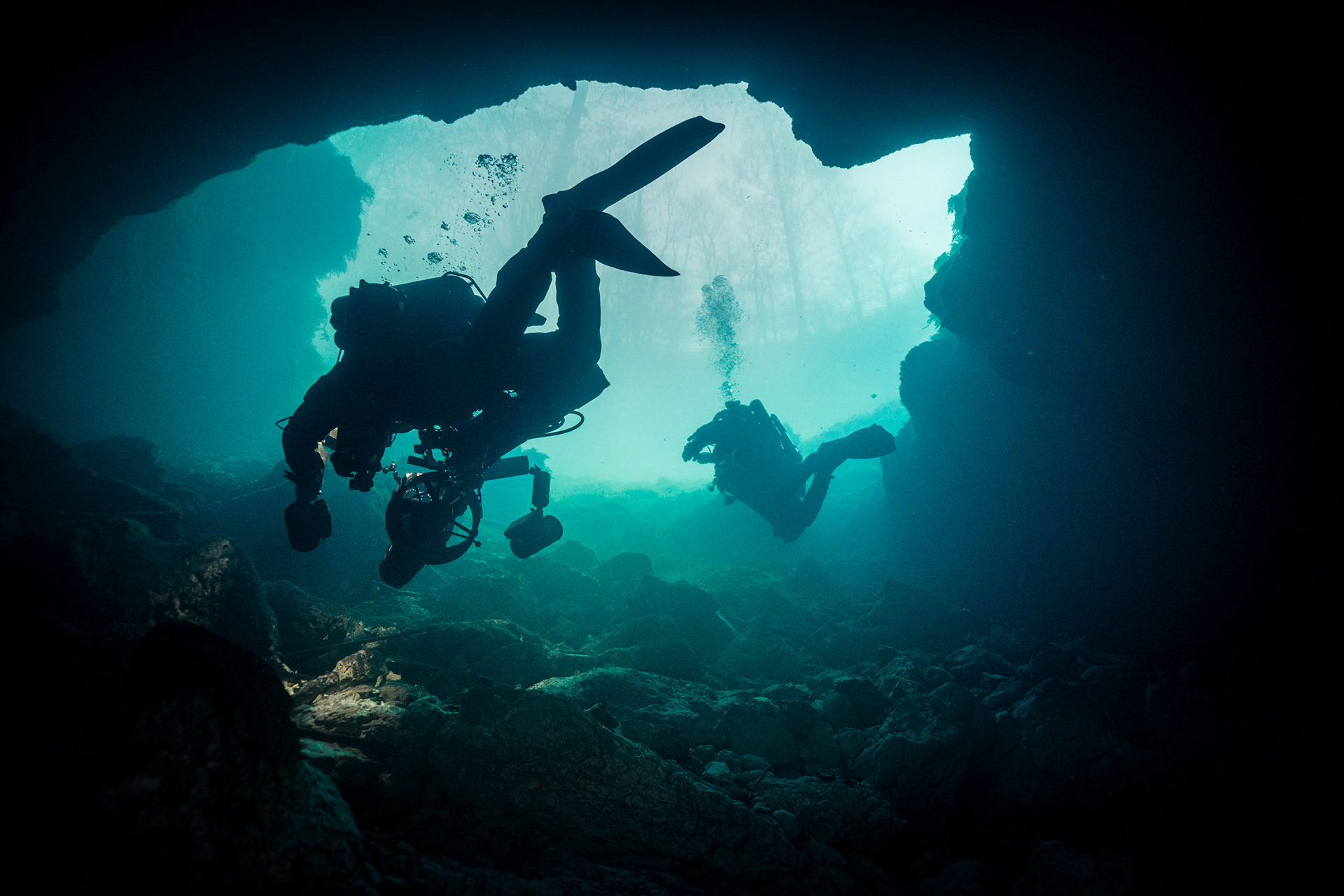
Breaking the surface after 70 minutes is always a transition between worlds. We left the Gorgazzo exactly as we found it—silent, cold, and enigmatic. These images serve as a brief ledger of its current state, a small contribution to the ongoing narrative of a site that remains as challenging as it is beautiful.
Special thanks to: Centro Pordenonese Sommozzatori
Thank you for watching.